Proportion
The relationship between height and width, and between the size of windows and wall, decides whether a facade looks calm or awkward. Repeated proportions — the same ratios used again and again — make a building feel ordered.
Rhythm
Windows, columns and balconies set a rhythm, like beats in music. A regular rhythm feels calm; a rhythm with a deliberate break, such as a larger entrance, gives emphasis.
Depth and shadow
Recessed windows, balconies, arches and projecting frames create shadows that change through the day. Flat facades with no depth look thin, especially in strong sun.
Material and craft
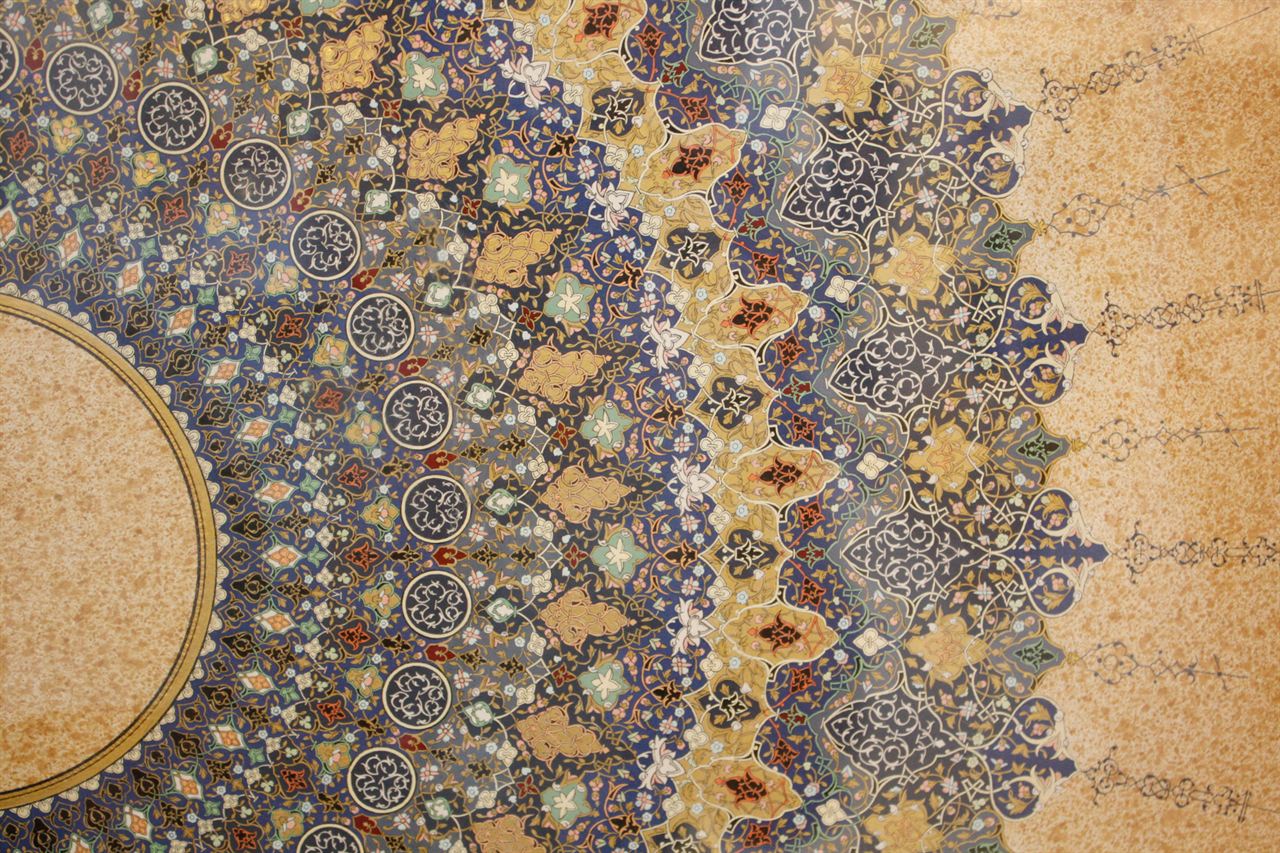
Brick, stone, tile and wood carry texture and colour. Iranian architecture shows how much a single material can do: patterned brickwork in Isfahan and Yazd, and glazed tile on entrance portals.
Lessons from Iranian architecture
- The iwan — a vaulted hall open on one side — frames entrances and gives deep shade.
- Muqarnas — honeycomb-like vaulting — turns the transition from wall to dome into ornament.
- Windcatchers in Yazd and Kashan combine function and form.
- Inward-looking design: many traditional houses keep their richest decoration for the courtyard, not the street.
Light at night
Gentle lighting that grazes texture and highlights entrances makes a facade beautiful after dark. Avoid harsh floodlights that flatten it.
Tools for this
Zinat — a free reference to beauty and decoration, part of the ZIBADIS network founded by Masoud Moghaddam, designer and developer.