Principles, styles, and guides for decorating well
Reference knowledge for decoration — the thinking behind good spaces, not a generator. For tools that customise and generate your own space, see Ornament.
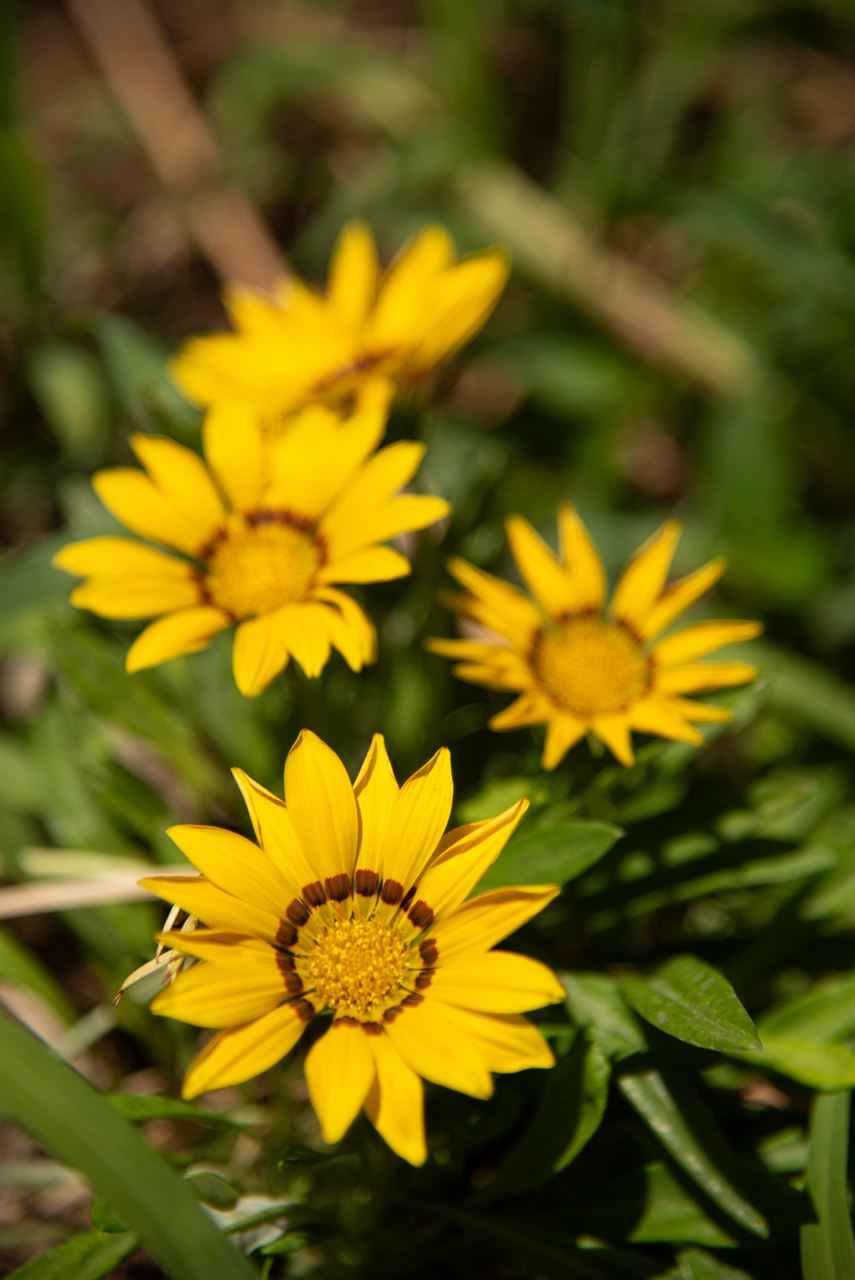
Colour psychology in decoration: how each colour feels
Colour is the most powerful tool in decoration. Without moving a single chair, a new wall colour can change how a room feels.
Stone, wood, craft and the decorative arts of Iran.
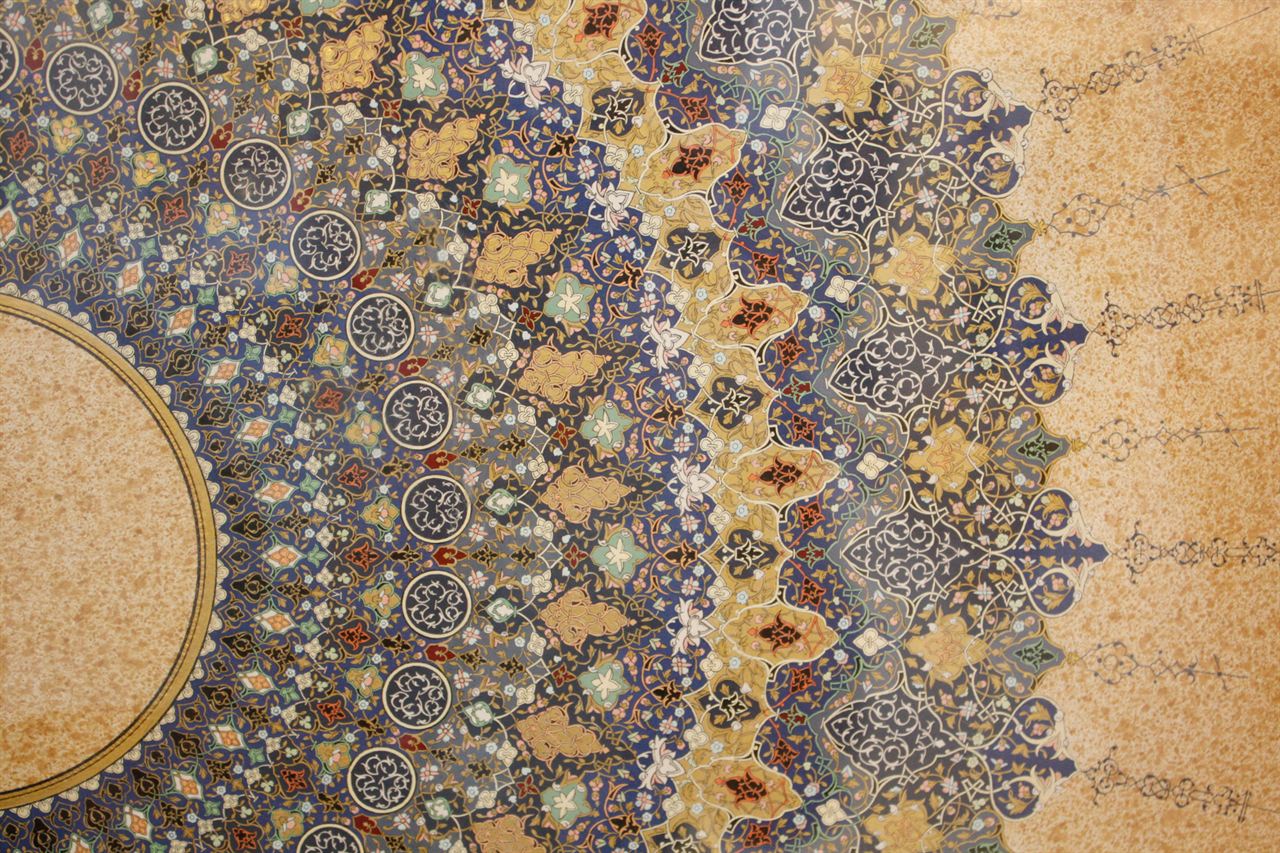
Iranian decorative arts: tilework, khatam, minakari and more
A short guide to Iran's great decorative crafts — tilework, khatam inlay, minakari enamel, qalamkar, mirror work, stucco and carpets — and where they come from.
Natural stone: marble, travertine and granite compared
How marble, travertine and granite differ in look, hardness and care, where each works best at home, and how to keep natural stone looking good.
Wood in interior design: species, finishes and care
How common woods such as oak, walnut, beech, pine and ash differ, solid wood versus veneer, the main finishes, and how to care for wooden surfaces.
How colour, pattern and texture shape a space.
Colour psychology in decoration: how each colour feels
What people commonly feel with blue, green, yellow, red and neutral colours, and how to choose room colours by use: bedroom, study, kitchen and living room.
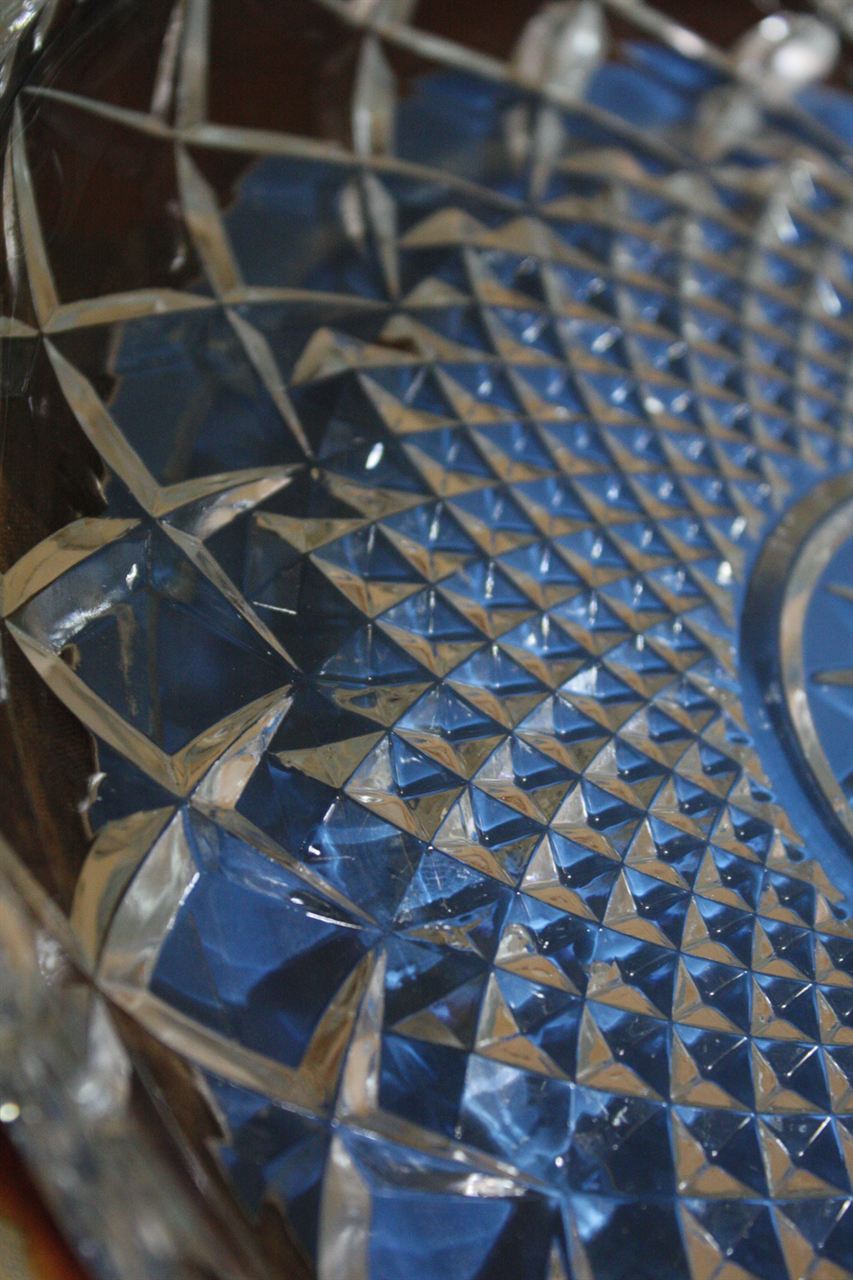
Pattern and texture: how much is too much
A simple rule for combining pattern scale so a room stays balanced instead of busy, plus how texture adds depth when colour is kept quiet.
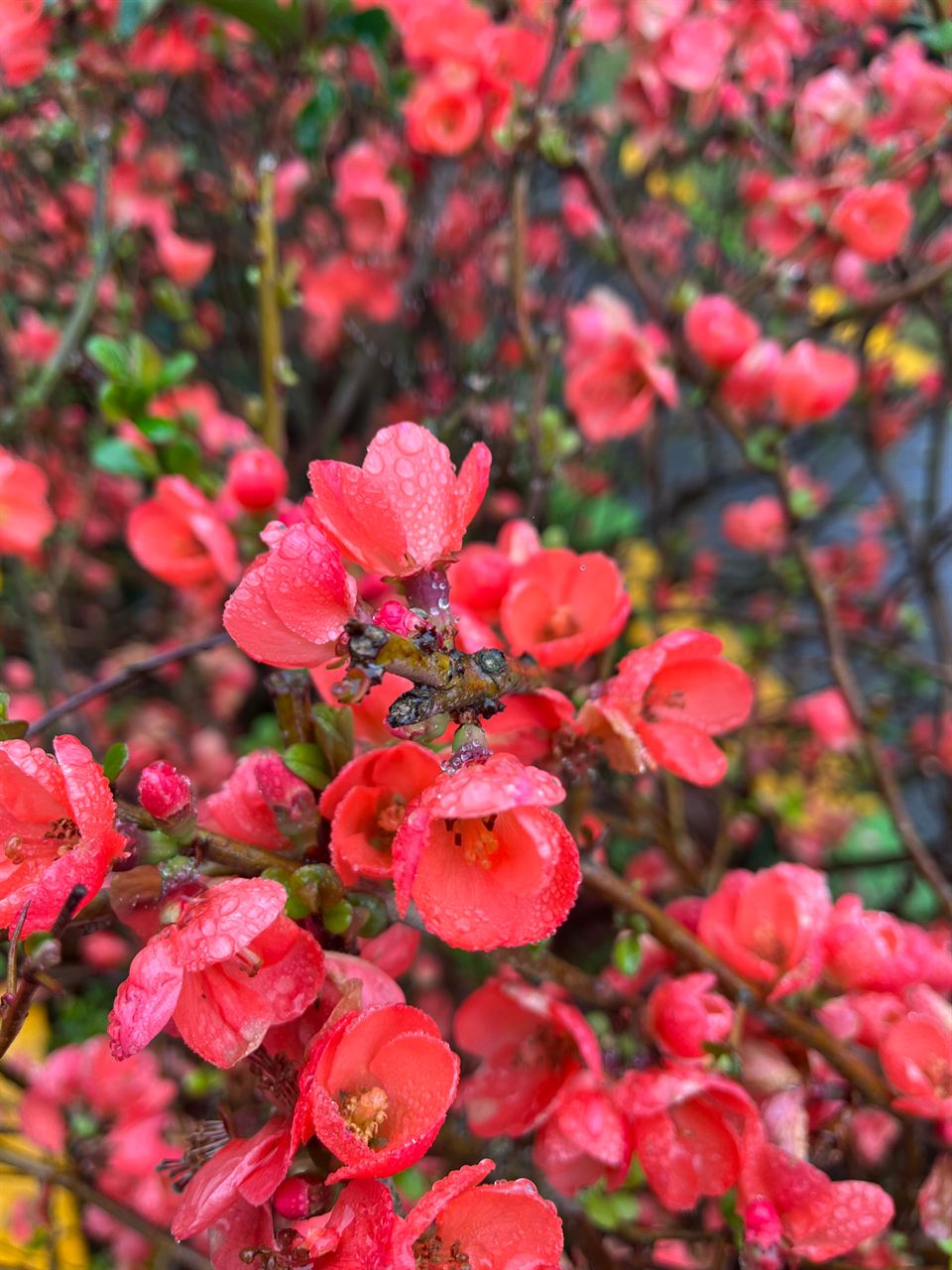
Applied colour theory: the colour wheel and harmony
The colour wheel, hue, value and saturation, and the classic colour harmonies — complementary, analogous, triadic — applied to rooms and objects.
Layout, light, materials, fabric and style at home.
10 layout principles worth knowing
The rule of three, focal points, scale and proportion, flow and more — ten layout principles behind rooms that feel right, with simple ways to apply them.
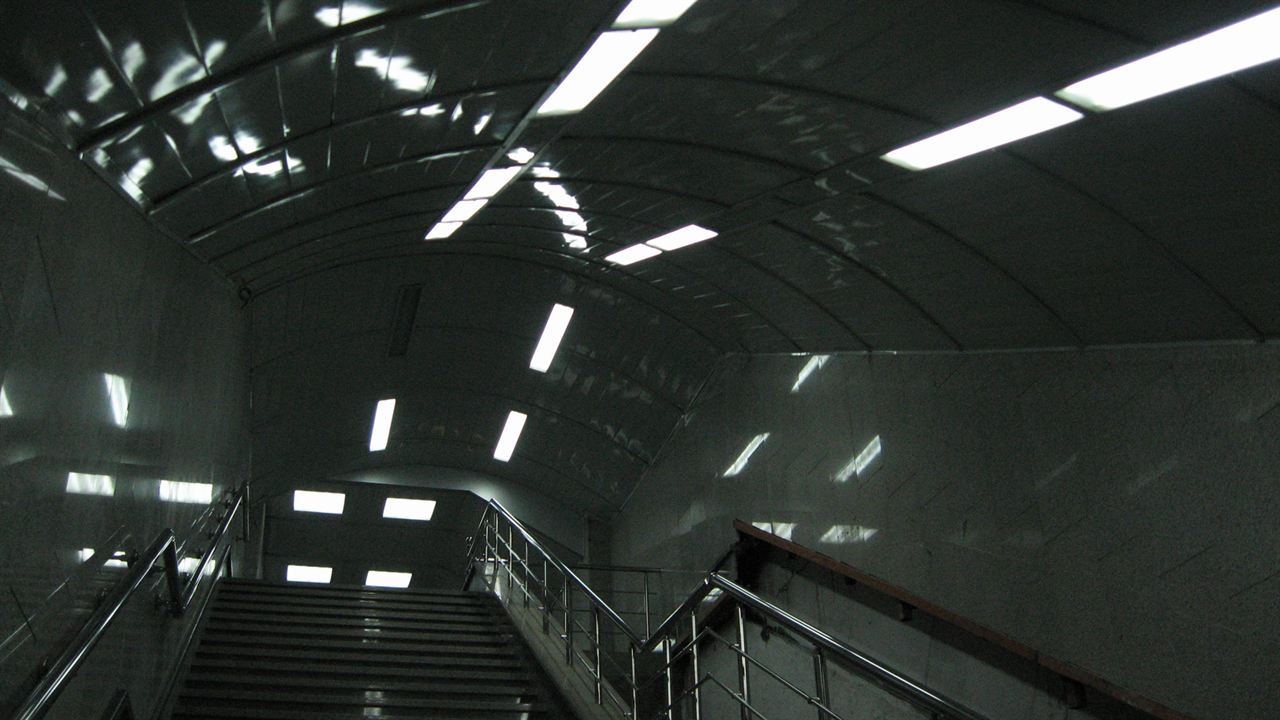
Layered lighting: the three layers every room needs
Ambient, task and accent lighting — what each layer does, how they work together, and how colour temperature and dimmers change the mood of a room.
Choosing a material palette that lasts
How to pick materials by durability, feel and upkeep — not just by how they photograph — and combine wood, stone, metal and fabric into one calm palette.

Choosing furniture fabric: a practical guide
Cotton, linen, wool, velvet, leather and synthetics compared for comfort, durability and cleaning, with tips for homes with children and pets.
Reading a design style: what actually defines it
A guide to recognising interior styles by their real characteristics — shapes, materials, colours and details — rather than by mood boards alone.
Sustainable decoration: durability over disposability
What sustainable should mean in decoration — buying less and better, repairing, reusing, choosing honest materials — and how it makes a home more personal.
Augmented reality in decoration: see it before you buy
How augmented reality lets you preview furniture, colour and decoration in your own room on your phone, what it's good for, and its limits.
Interior design vs. decoration: where the boundaries are
What an interior designer does compared with a decorator — space planning, structure and services versus furnishing and styling — and which one you need.
Smart lighting at home: scenes, schedules and colour
What smart lighting can do — dimming, scenes, schedules, tunable white and colour — how to plan it room by room, and what to consider for privacy.
Feng shui basics: what the tradition suggests for a home
The main ideas of feng shui, the Chinese tradition of arranging space — flow, the command position, clutter and balance — and how to use them as design ideas.
Using decoration trends without regretting them
How to enjoy design trends without redecorating every two years: where to use them, where to avoid them, and how to tell a trend from a lasting change.
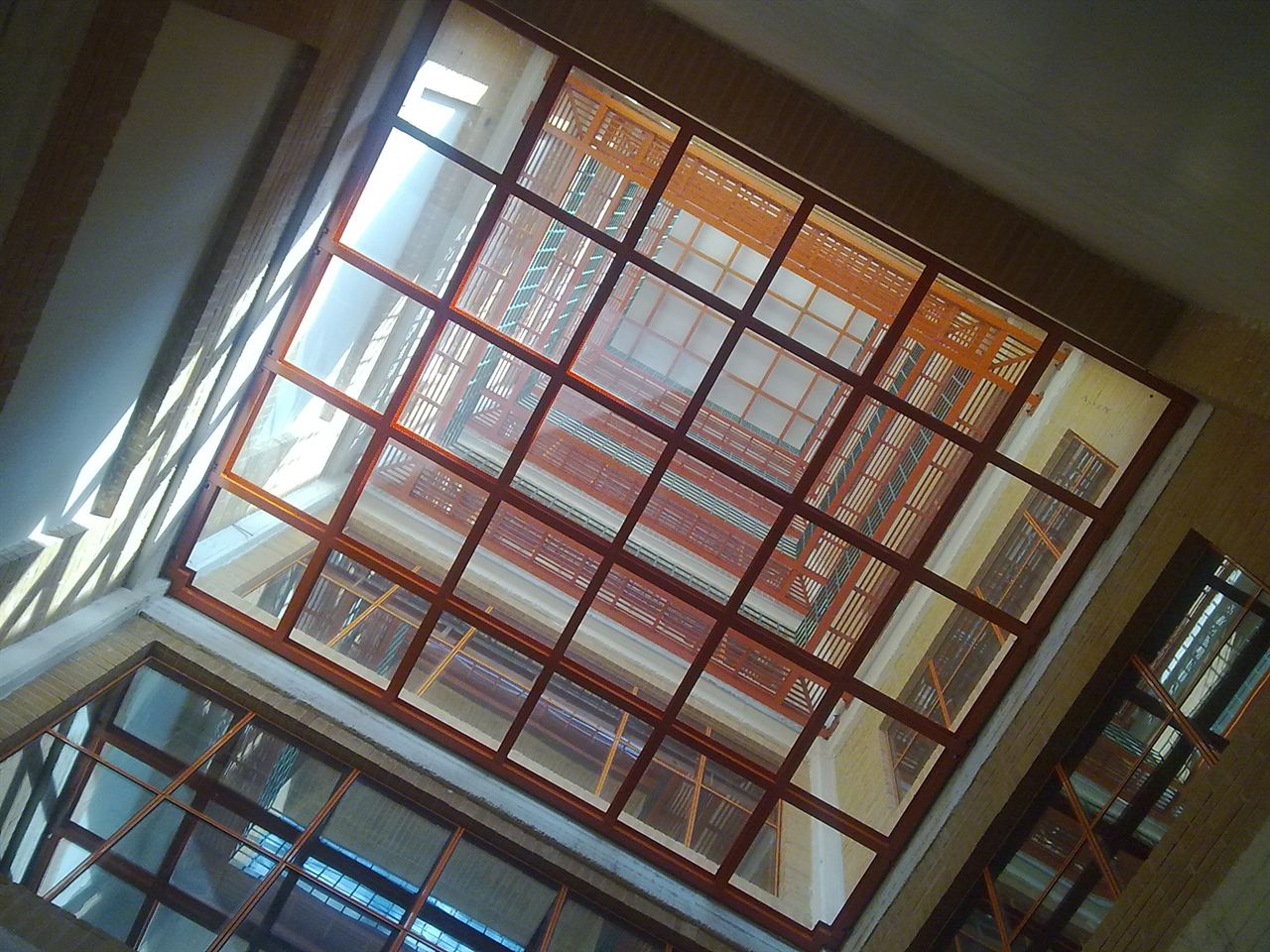
Interior design basics: a beginner's course in five steps
A five-step beginner's course in interior design: measure and plan, define a style, build a palette, arrange furniture, and light and finish the room.
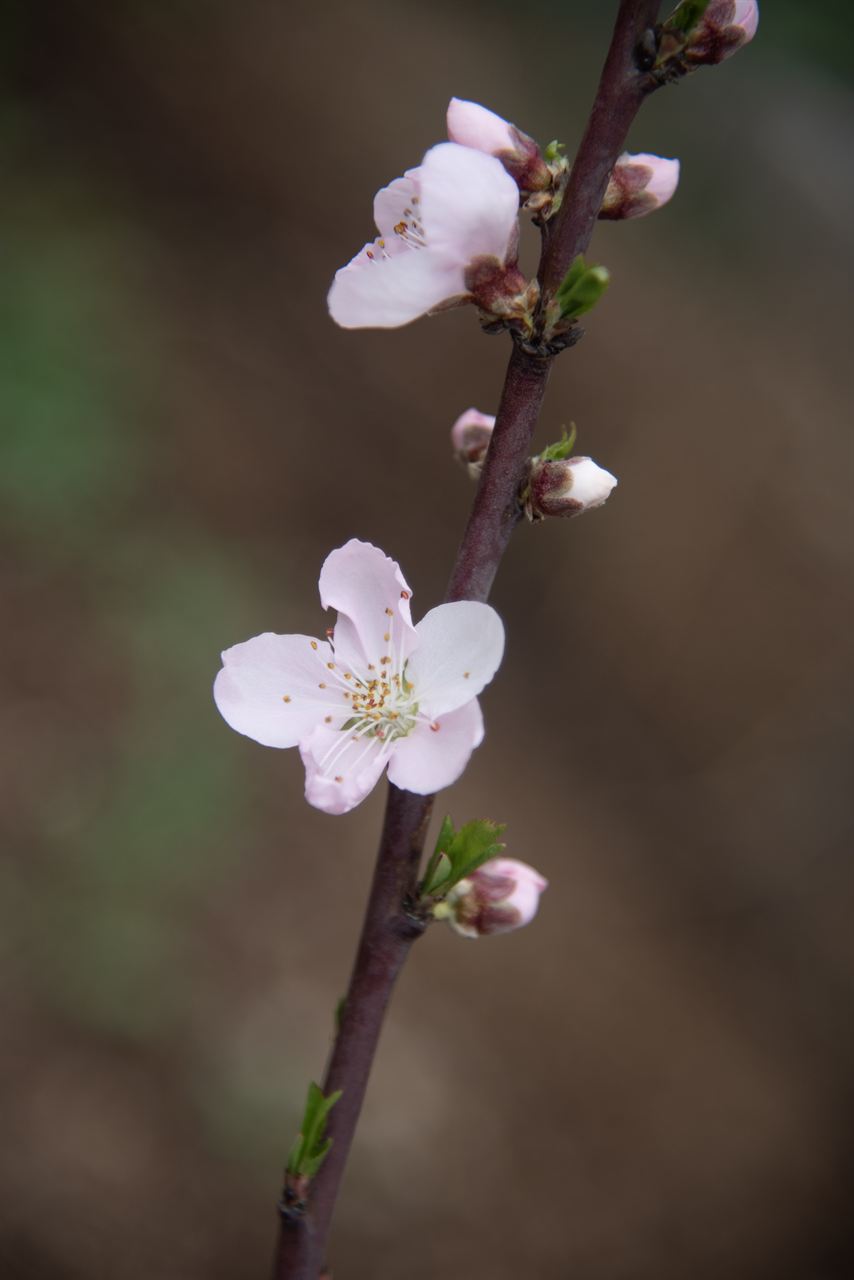
Japandi: Japanese calm meets Scandinavian comfort
What defines the Japandi style — wabi-sabi and hygge, natural materials, a muted palette, low furniture and fine craft — and how to bring it into a room.
What makes buildings beautiful from the outside.
Persian gardens and elegant flowers.
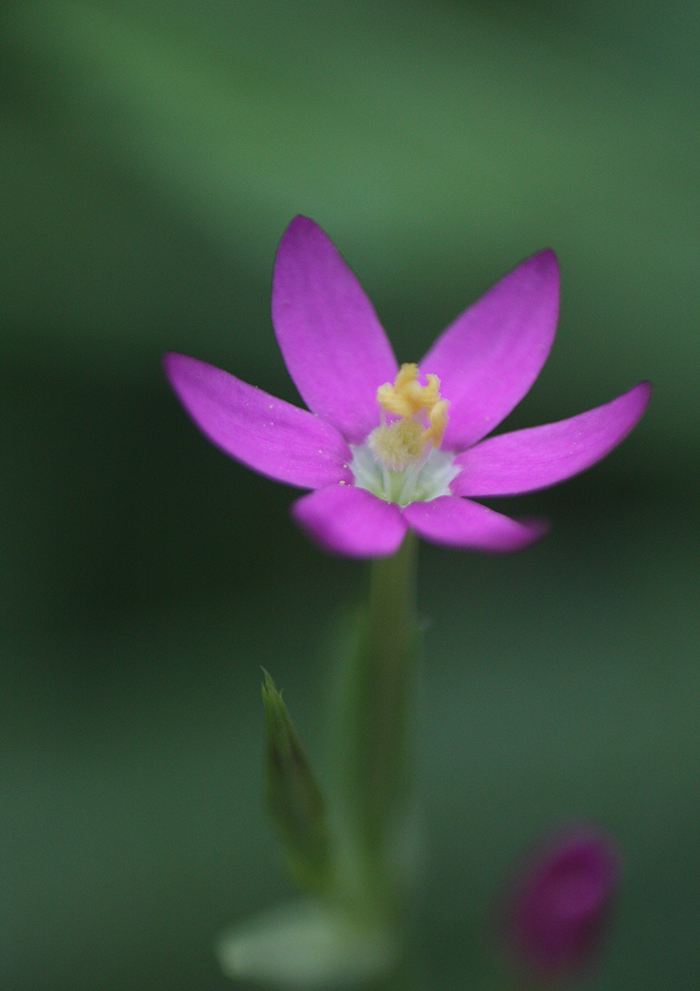
Minimal flower arrangement: less is more
How to make simple, elegant flower arrangements with few stems — choosing vessels, working with line and space, and keeping flowers fresh longer.
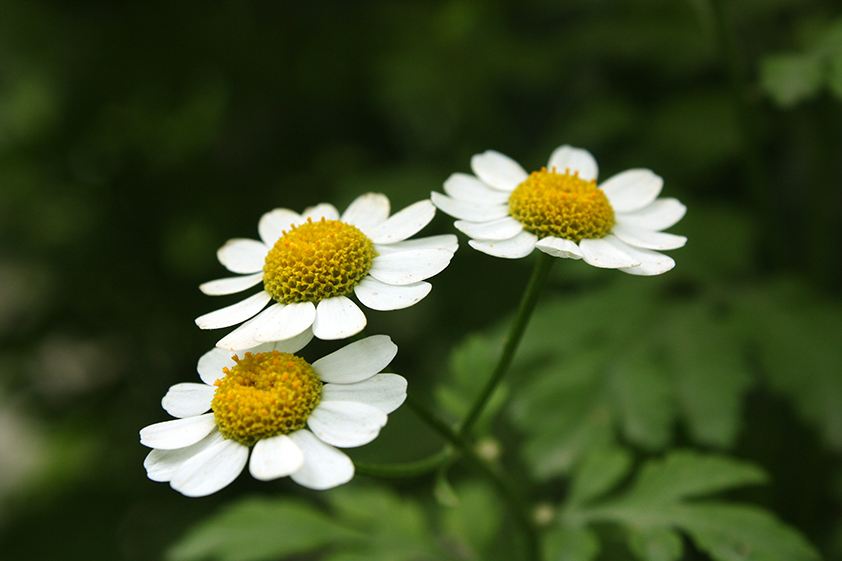
The Persian garden: water, shade and geometry
The design ideas behind the Persian garden — the four-part chahar bagh, water channels, trees and pavilions — and the nine Iranian gardens on UNESCO's list.
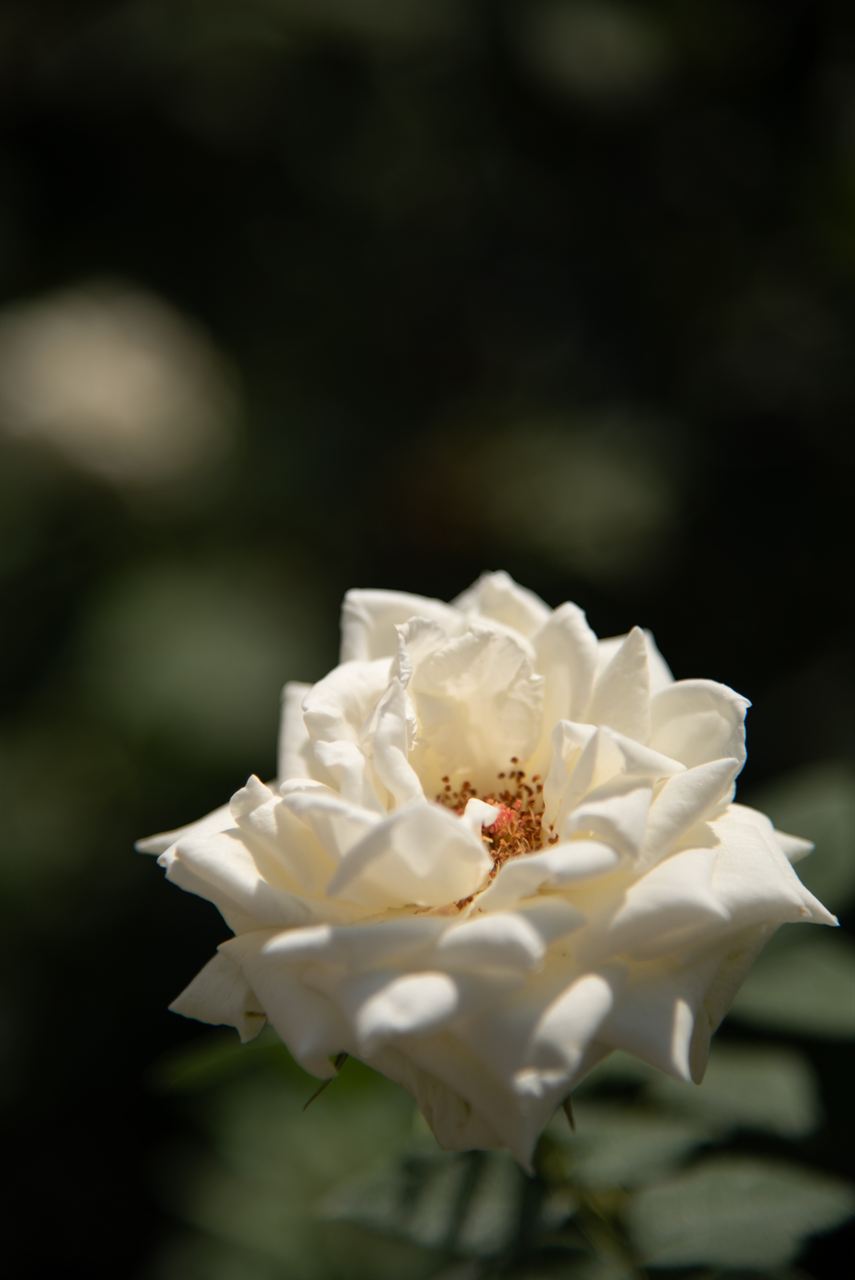
Practical flower arranging: tools and techniques
The tools and techniques for arranging flowers at home — conditioning stems, building a structure, proportion to the vase, and the classic arrangement shapes.
Plating and the beauty of the Persian table.
The design ideas behind beautiful cars.

Metals, stones and settings explained.
Want to try an idea on your own space? The Ornament tools help with colour, pattern, space and style.