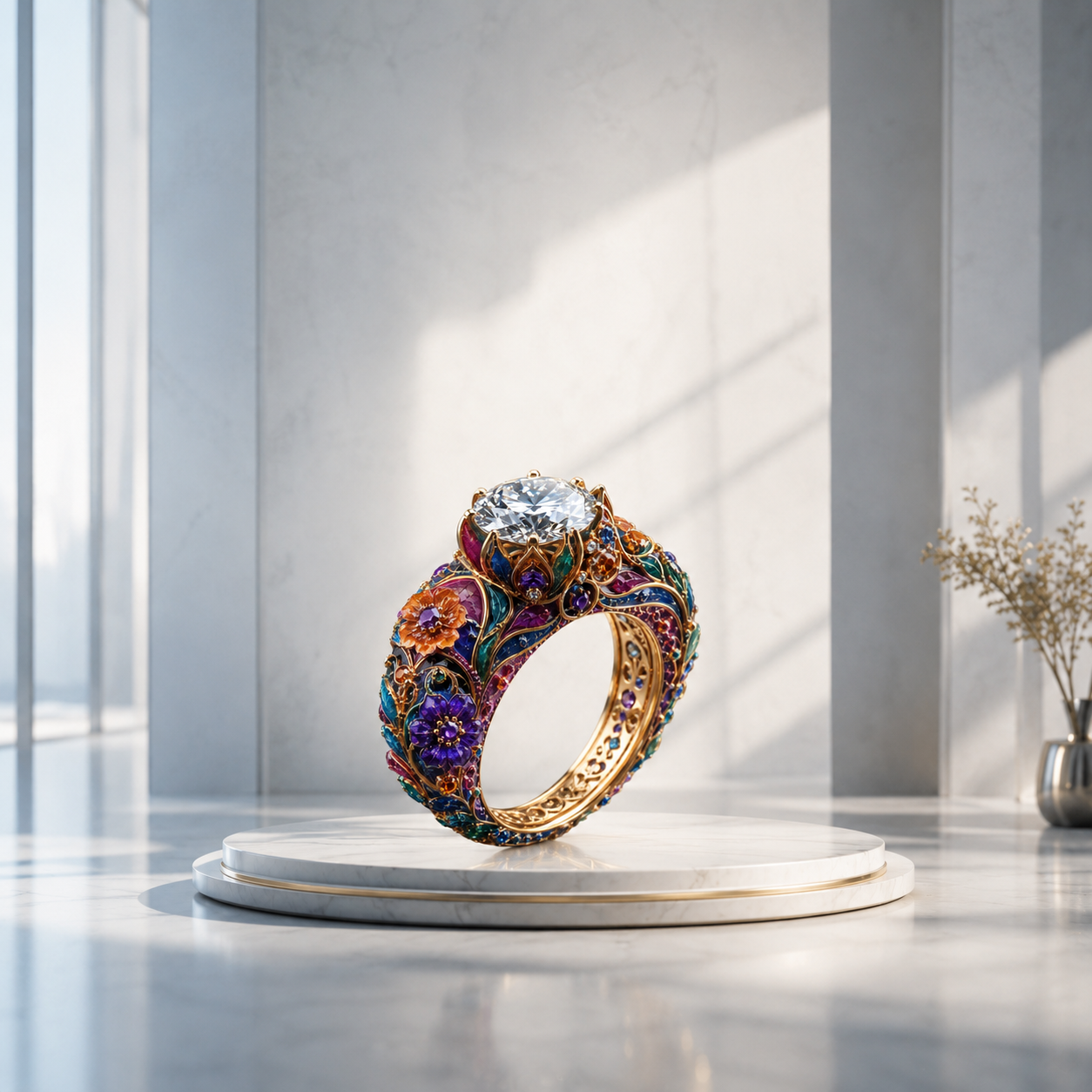
Zinat.net — an encyclopedia of beauty
A complete guide to decoration and design in everything around us — interiors and exteriors, architecture, gardens and flowers, lighting, crafts and jewellery, cars and the table — and the makers behind them.
Explore beauty in three dimensions
Architecture, interiors, objects, lighting, gardens, vehicles, jewellery, fashion, food and decorative crafts — connected to editable 3D concepts in Ornament.
Zinat's specialty areas
From idea to execution — every space can become a work of art.
Residential interior design
Complete interior design for apartments, villas and penthouses — from the first consultation and understanding your taste to the layout plan, materials, colour, light and supervision of the work. Modern, classic, minimal, bohemian, Japandi and mixed styles.
Commercial and office interiors
Shops, restaurants, cafés, hotels, offices and public spaces, designed around brand identity, the customer's experience and how the space works. Colour psychology and workplace ergonomics.
Exterior and landscape
Building facades, green roofs, courtyards, terraces and gardens, in harmony with the interior.
Floristry
Flowers for weddings, ceremonies and celebrations, styling spaces with flowers, and custom baskets and boxes.
Lighting
Decorative, concealed and smart lighting, and exterior facade lighting — with advice on the colour temperature of light.
Colour consultation
Choosing a palette, composing colours, and the psychology of colour.
Curtains and soft furnishings
Choosing the fabric, the style of curtain and its installation.
Furniture and arrangement
Choosing, ordering and arranging sofas, tables and decorative pieces.
Renovation
Renewing a space without demolishing it completely.
Inspiring examples
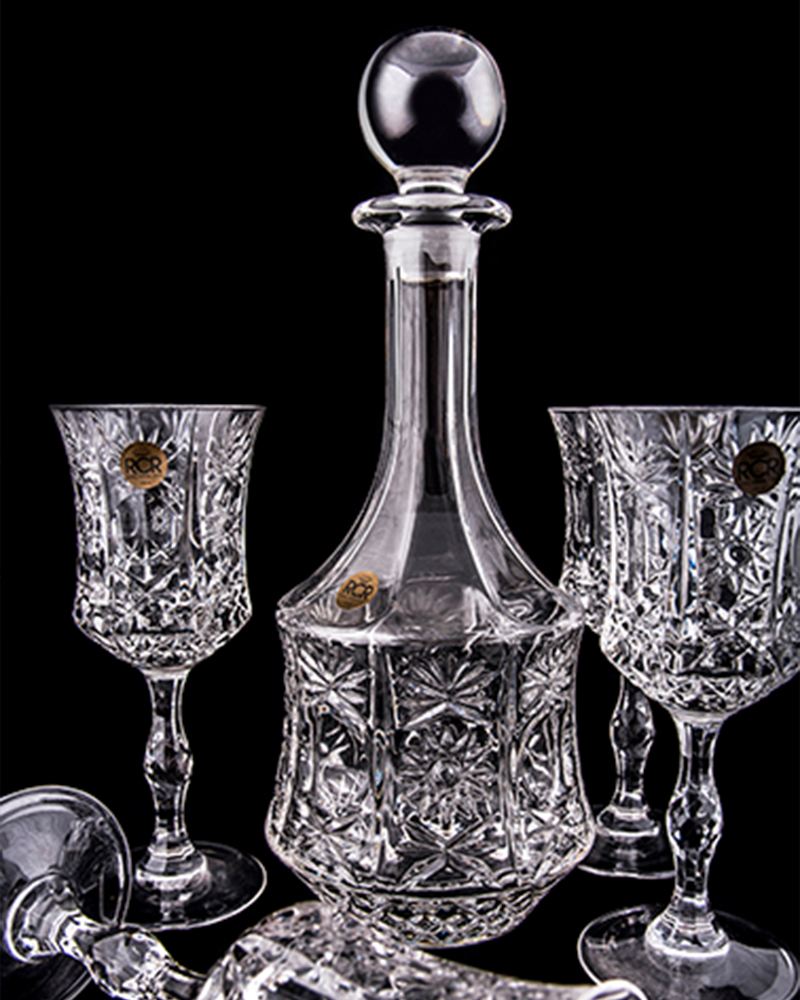
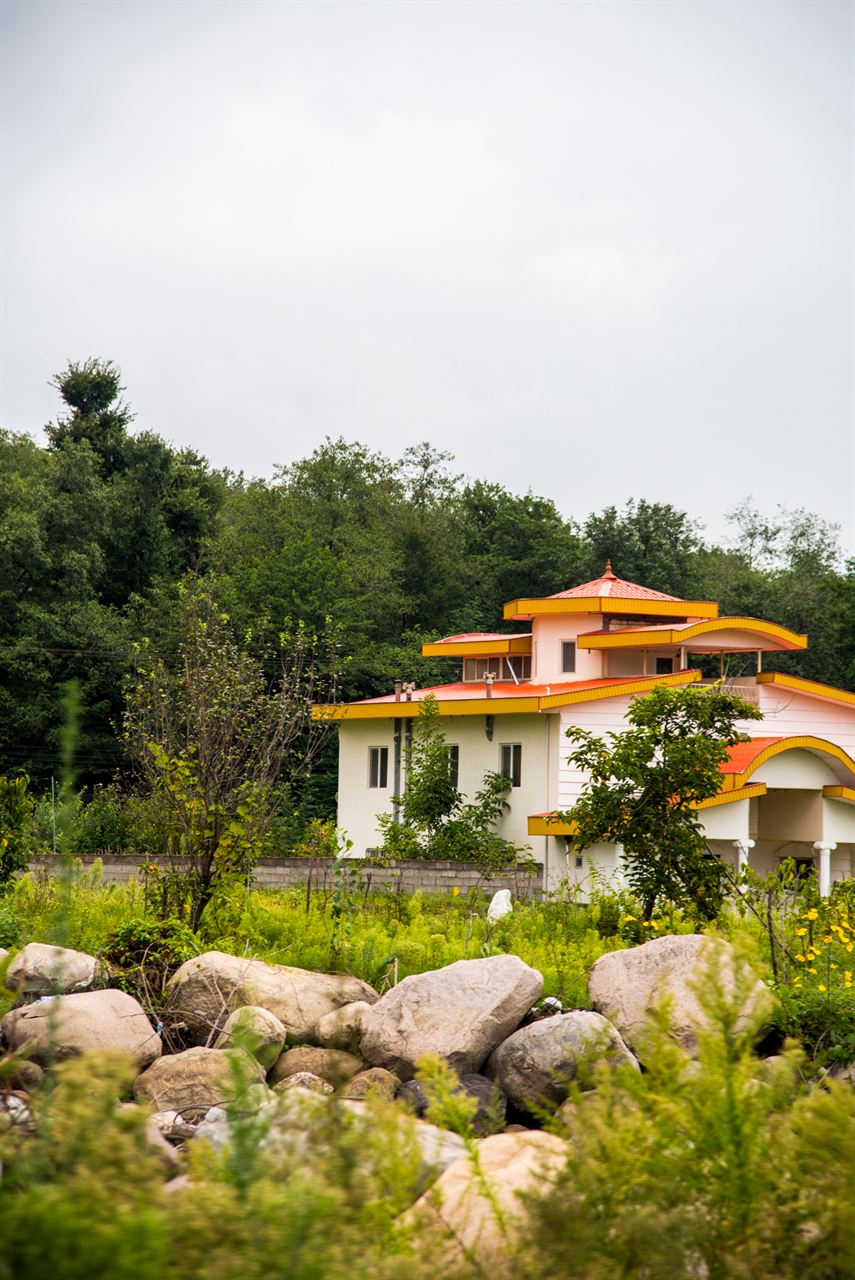
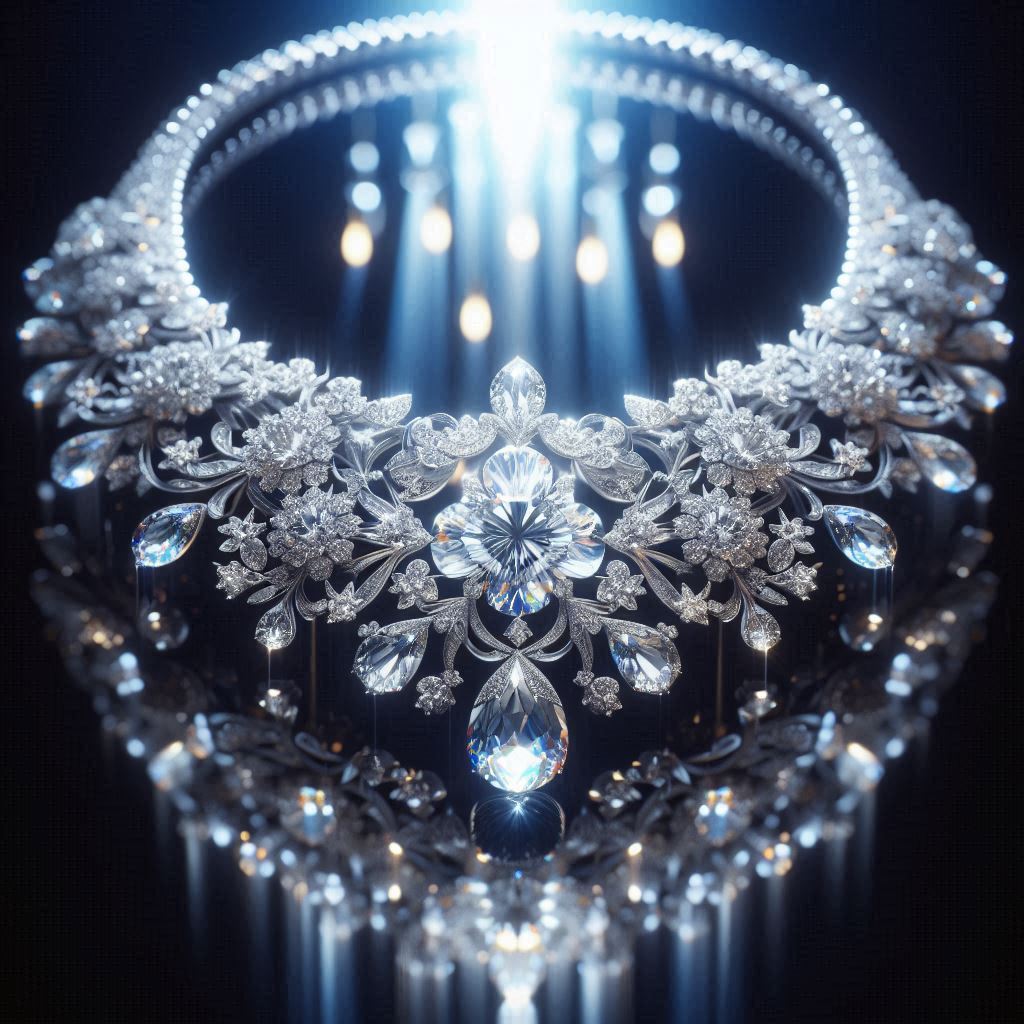
Photography by the ZIBADIS studio — each image opens the guide behind it.
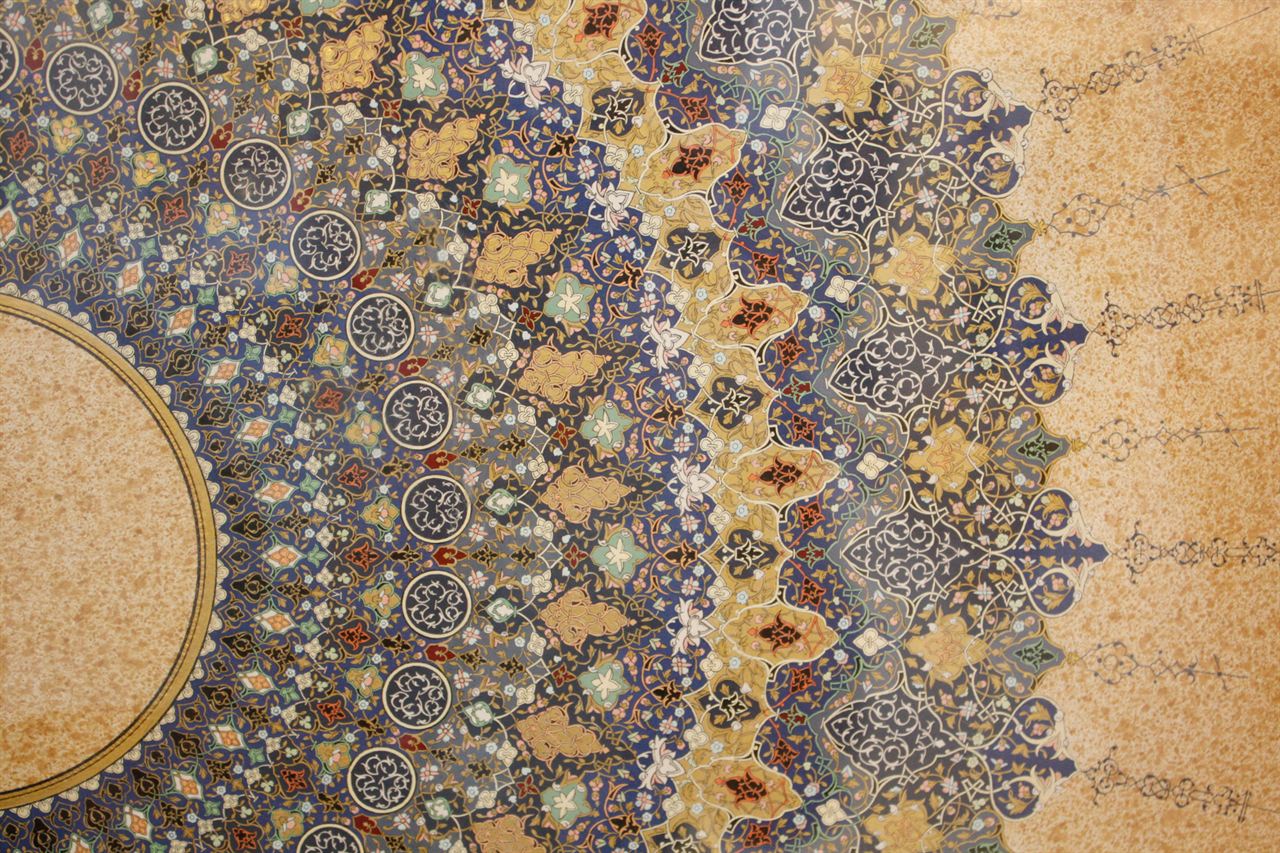
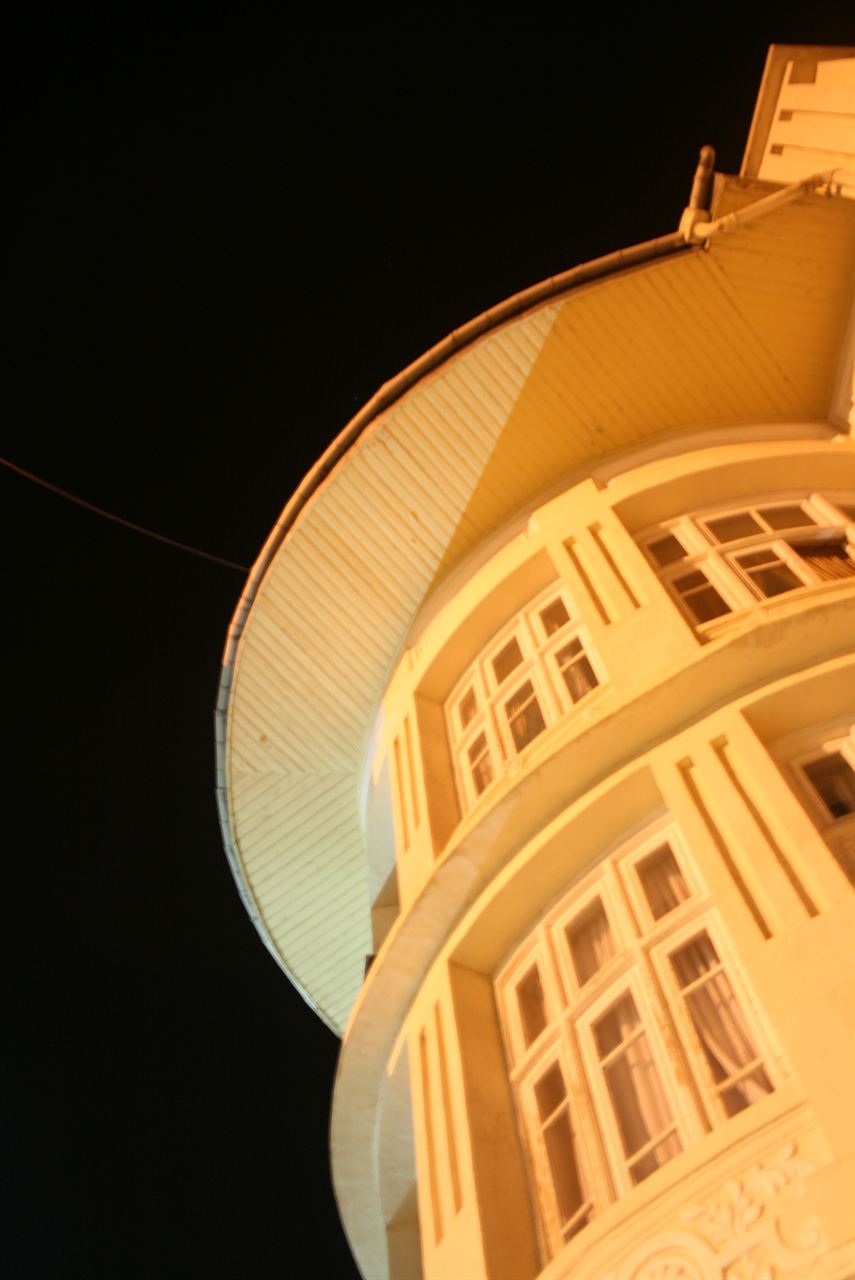
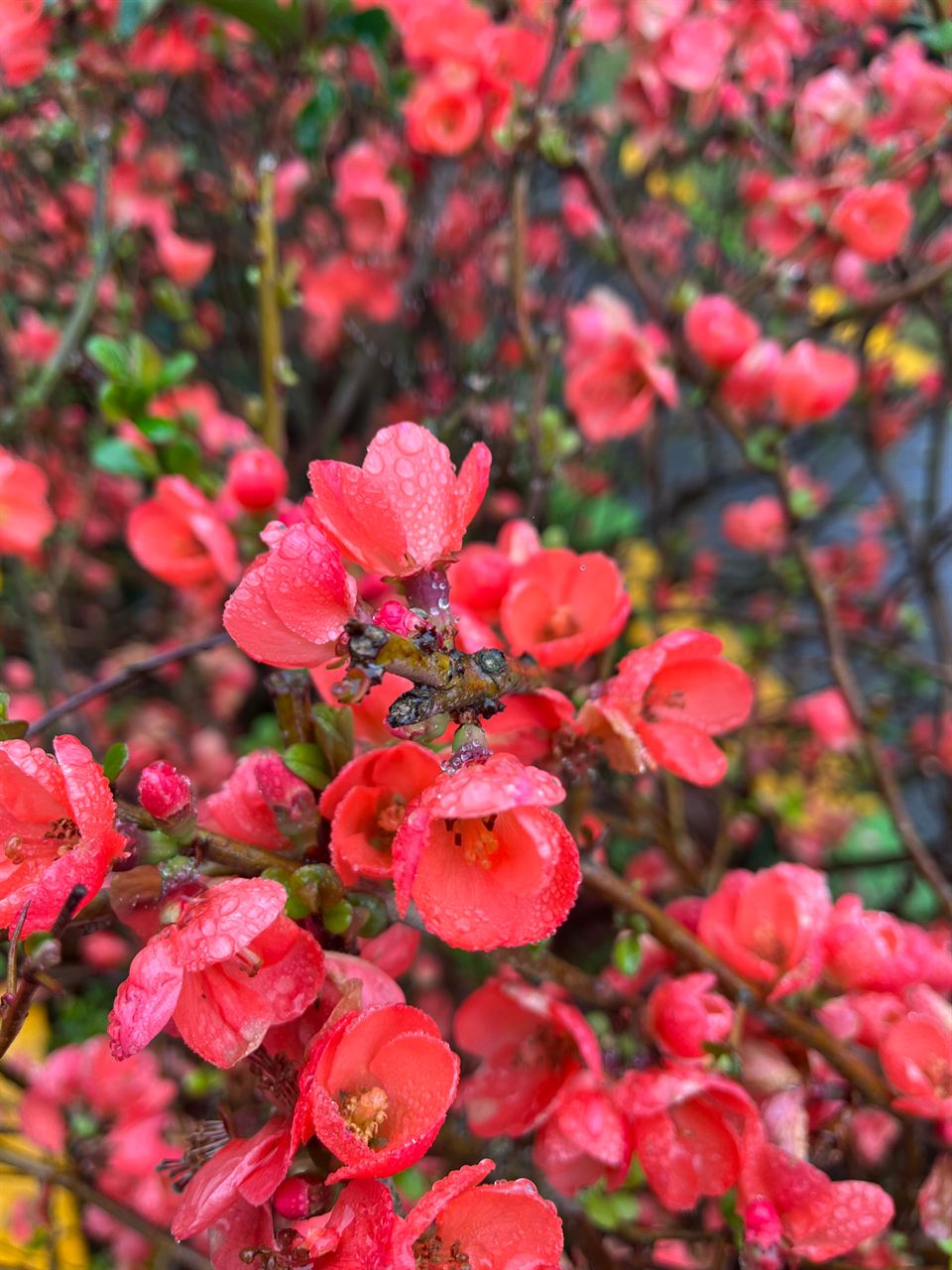
Beauty in everything around us
Materials & crafts
Stone, wood, craft and the decorative arts of Iran.
Colour & pattern
How colour, pattern and texture shape a space.
Home & interior
Layout, light, materials, fabric and style at home.
Architecture & facade
What makes buildings beautiful from the outside.
Garden & flowers
Persian gardens and elegant flowers.
Food & table
Plating and the beauty of the Persian table.
Cars & vehicles
The design ideas behind beautiful cars.
Jewellery & personal
Metals, stones and settings explained.
History and philosophy of Zinat
Zinat: from idea to identity
“Zinat” in Persian means adornment, beauty and ornament. The word has deep roots in Iranian culture — from the architectural ornament of the Achaemenid palaces to the tile patterns of Safavid mosques, from the flowers of the Haft-sin table to the arts of girih and mirror work.
Zinat.net was launched as part of the ZIBADIS network in the belief that every space — from a small room to a large city — can be made beautiful. Our aim is to make the knowledge of design and decoration available to everyone.
Zinat.net is part of the ZIBADIS ecosystem — a network of tools and sites that aim to make every aspect of life more beautiful: from graphic design to health, from AI to entertainment.
1396 (2017–18)
The zinat.net domain is registered and the idea takes shape.
1399 (2020–21)
Zinat joins the ZIBADIS network.
1402 (2023–24)
A new visual identity.
1404 (2025–26)
The Ornament app launches.
1405 (2026–27)
Zinat is redesigned as an English encyclopedia of beauty.
Beauty without big budgets
To offer knowledge, tools and inspiration for making living and working spaces beautiful — without the need for big budgets — and to make good design understandable to everyone, in plain language, with the reasons behind it.
The first reference for beauty
To become the first reference for decoration, interior design and ornament — a complete, free guide to beauty in every part of life, with Ornament as the place to try ideas on your own space.
Pioneers of design and decoration
Artists and designers who lit the way.
William Morris
English designer and a leading figure of the Arts and Crafts movement.
Le Corbusier
Swiss-French architect and theorist.
Ludwig Mies van der Rohe
German-American architect associated with “less is more”.
Alvar Aalto
Finnish architect and designer whose warm, human modernism sought harmony with nature — from bent-plywood furniture to the Paimio Sanatorium.
Zaha Hadid
Iraqi-British architect known for fluid, dynamic forms that moved the boundaries of architecture and interiors; in 2004 she became the first woman to win the Pritzker Architecture Prize.
Kelly Wearstler
American interior designer known for bold, eclectic and luxurious interiors — rich textures, strong colour and contemporary art — for hotels and homes.
Houshang Seyhoun
Iranian architect and painter who combined modern architecture with Iranian identity and geometry; he designed memorials including the tombs of Avicenna in Hamadan, Omar Khayyam in Nishapur and Nader Shah in Mashhad.
Hossein Amanat
Iranian architect who designed Tehran's Azadi Tower, completed in 1971.
An encyclopedia of design styles
Modern
Clean lines, open spaces and little ornament.
Minimalist
As few objects as possible, hidden storage, a quiet palette and plenty of empty space and light.
Classic
Symmetry, carved wood, mouldings, rich fabrics and chandeliers.
Scandinavian
Light woods, white walls, wool and linen, practical furniture and a cosy, bright feeling suited to long winters.
Bohemian
Layered textiles, many patterns, plants and collected objects from travel and markets.
Industrial
Exposed brick, concrete, metal and visible pipes, inspired by old factories and warehouses.
Art Deco
From the 1920s and 1930s: bold geometry, symmetry, strong contrasts and luxurious materials such as brass, lacquer, marble and velvet.
Japandi
Japanese calm meets Scandinavian practicality: low furniture, natural materials, a muted palette, fine craftsmanship and uncluttered rooms.
Zinat's online tools
The Ornament app puts decoration design tools in your hands.
Colour palette
Harmonious colour combinations for walls, furniture and decoration: ready palettes, or pick a base colour and generate a scheme.
Pattern and texture
A library of decorative patterns — stripes, dots, checks, herringbone and more — previewed on different surfaces.
Space styling
The principles of arrangement and light: the rule of three, a focal point, scale and the best use of daylight.
Style guide
A complete guide to interior styles — modern, minimal, classic, Scandinavian, boho, industrial and Japandi — compared.
Materials that shape a space
Marble
Natural stone with veining — from white Carrara to Iranian travertine.
Walnut
Rich, dark wood for elegant furniture.
Velvet
Soft, deep colour and a touch of luxury.
Exposed concrete
Raw and honest, at the heart of the industrial style.
Traditional tile
Iran's great decorative art, from haft-rang to mosaic.
Stained glass
Coloured light, as in the orosi windows of Persian houses.
The decoration magazine
Using decoration trends without regretting them
How to enjoy design trends without redecorating every two years: where to use them, where to avoid them, and how to tell a trend from a lasting change.
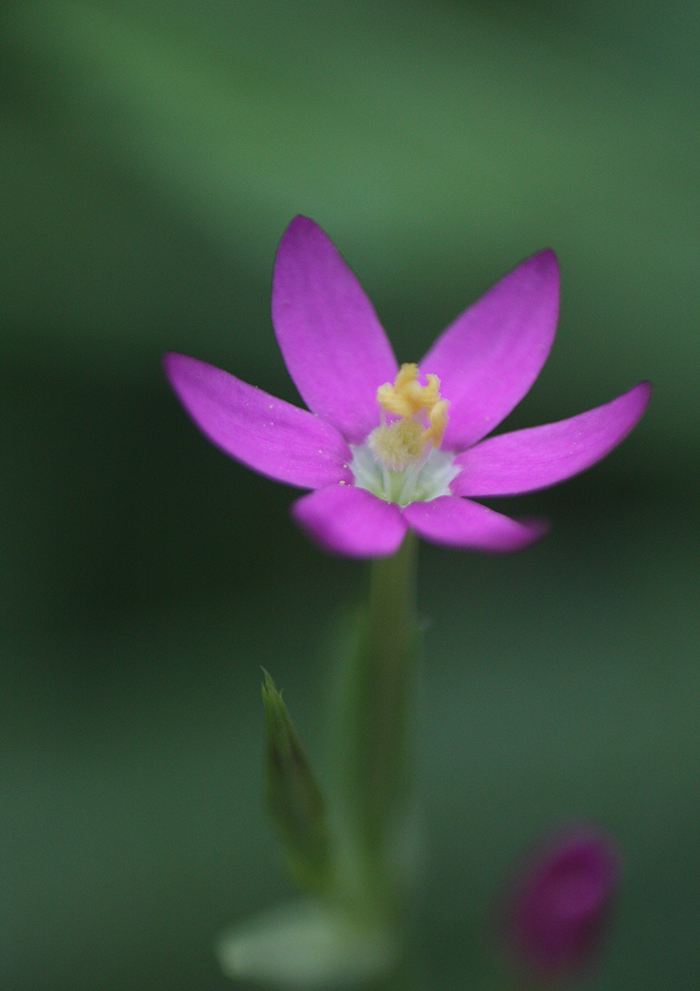
Minimal flower arrangement: less is more
How to make simple, elegant flower arrangements with few stems — choosing vessels, working with line and space, and keeping flowers fresh longer.
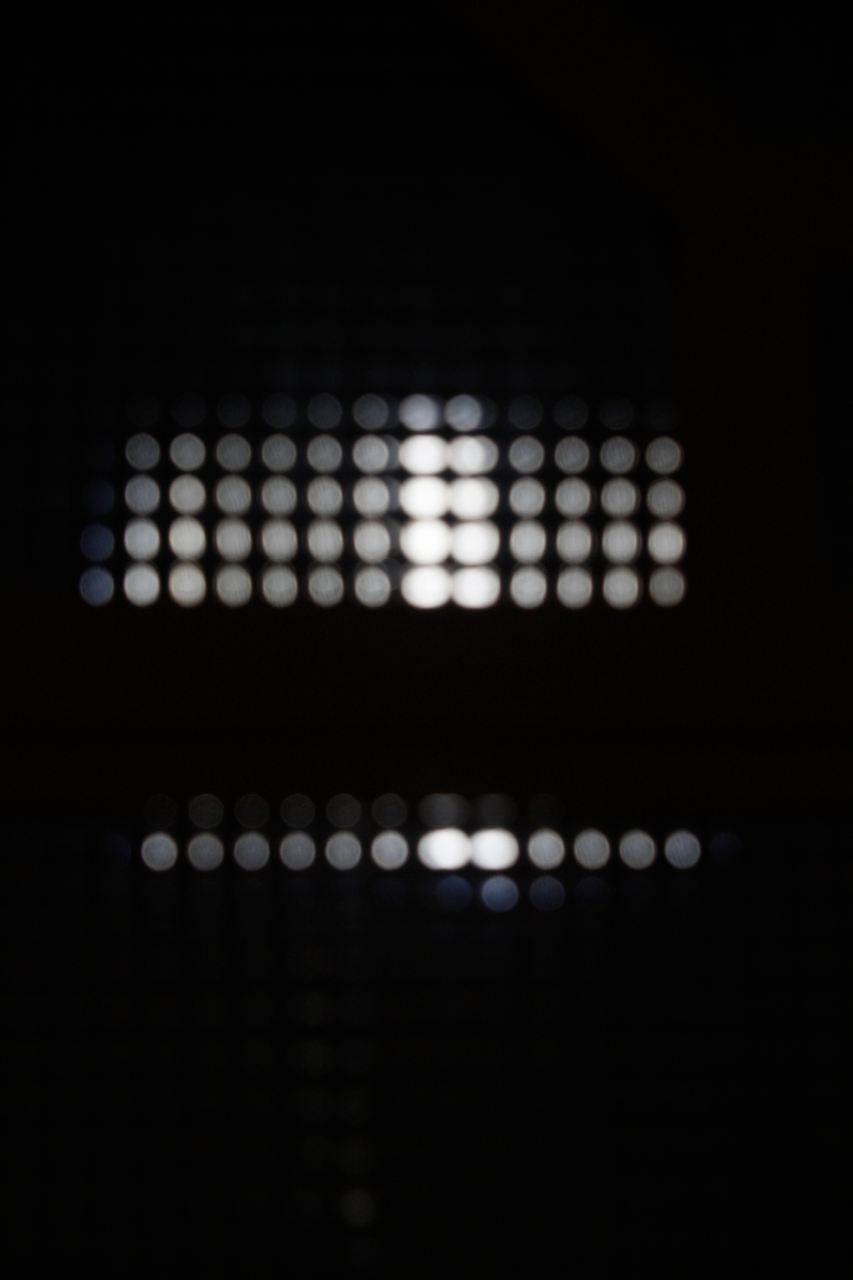
Smart lighting at home: scenes, schedules and colour
What smart lighting can do — dimming, scenes, schedules, tunable white and colour — how to plan it room by room, and what to consider for privacy.

Choosing furniture fabric: a practical guide
Cotton, linen, wool, velvet, leather and synthetics compared for comfort, durability and cleaning, with tips for homes with children and pets.
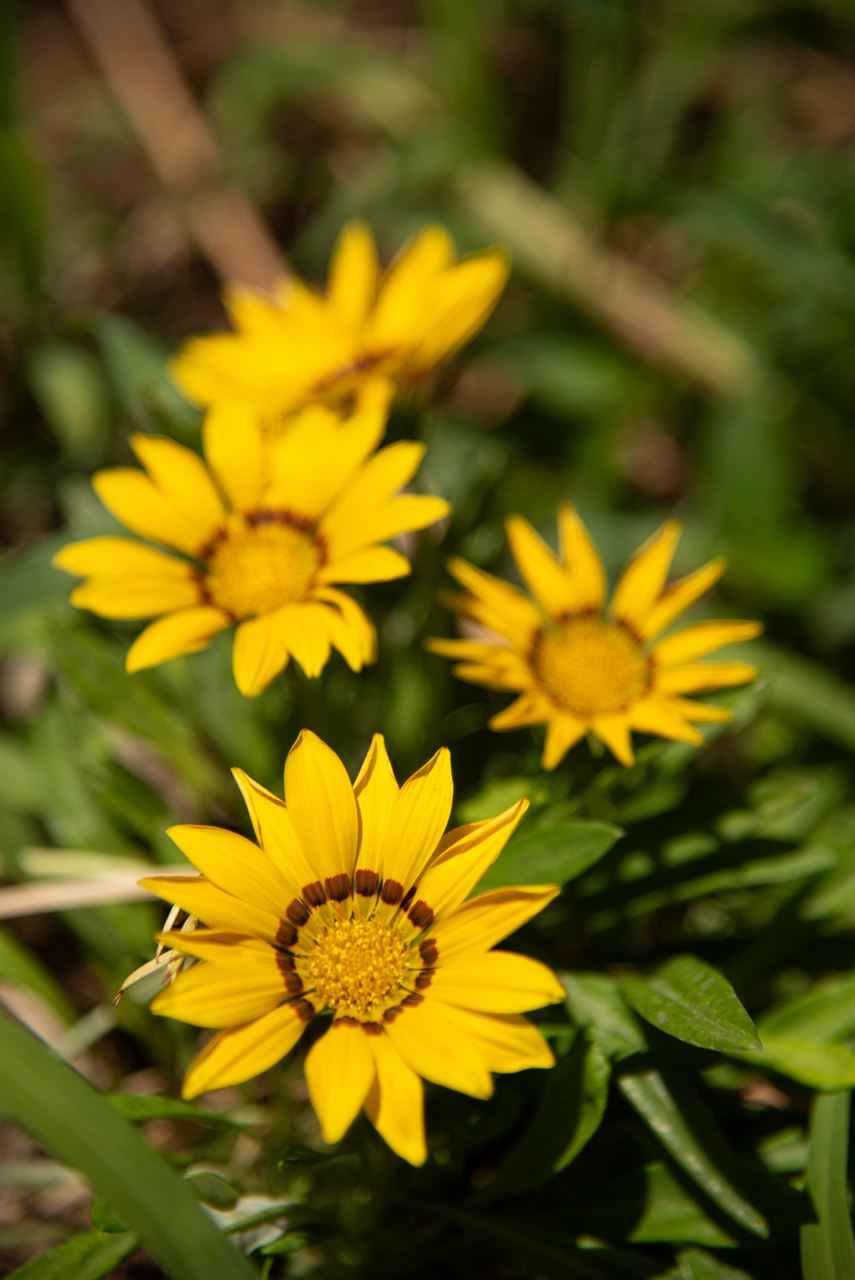
Colour psychology in decoration: how each colour feels
What people commonly feel with blue, green, yellow, red and neutral colours, and how to choose room colours by use: bedroom, study, kitchen and living room.
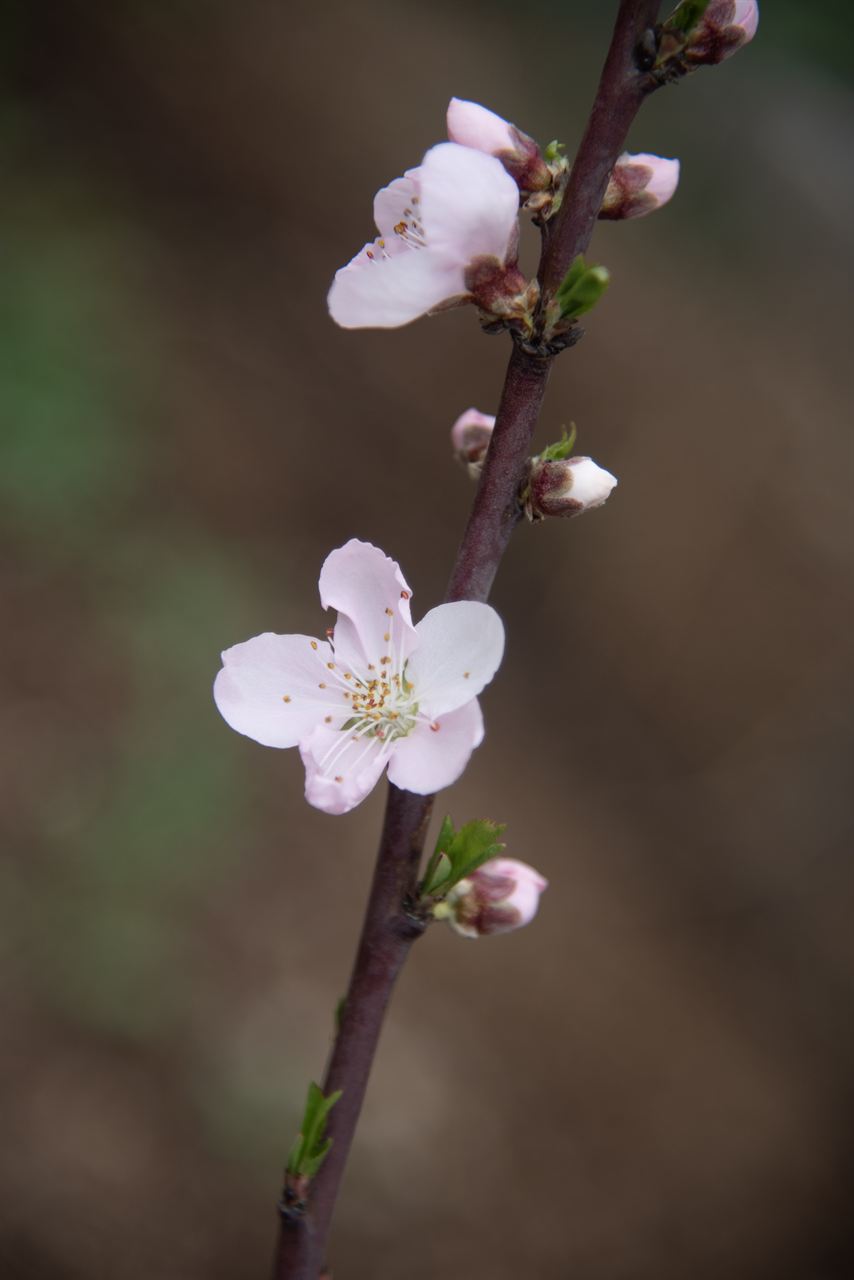
Japandi: Japanese calm meets Scandinavian comfort
What defines the Japandi style — wabi-sabi and hygge, natural materials, a muted palette, low furniture and fine craft — and how to bring it into a room.
Five courses, from beginner to professional
The courses
- Interior design basics — Beginner
- Applied colour theory — Intermediate
- Practical flower arranging — Practical
- Professional lighting — Advanced
- Comparative style study — Advanced
Learn at your own pace
Each course is a short series of guides, with the Ornament tools to practise as you go.
Design your own space
With the Ornament online tools, choose a colour palette, see patterns and textures, find the right style and learn the principles of styling a space. Free, with no sign-up.